
Healthcare & Wellness / Wellness, Therapy & Recovery
Physical therapy marketing that educates its way to the evaluation request
Physical therapy marketing from MBI is one education-led programme for a clinic or a multi-clinic group: postcards that promote seasonal services, new balance or running programs, post-surgical tracks, cash-based services, workshops and patient reactivation; free in-person or virtual workshops with bring-a-guest invitations; conservative, policy-reviewed Facebook campaigns for local awareness and workshop or evaluation inquiries; consent-based two-way texting that confirms registrations and sends reminders; and the brochures and flyers a clinic hands over in person.
Not sure where to start? Talk with our teamDirect mail
What does physical therapy direct mail promote, and who receives it?
The short answer
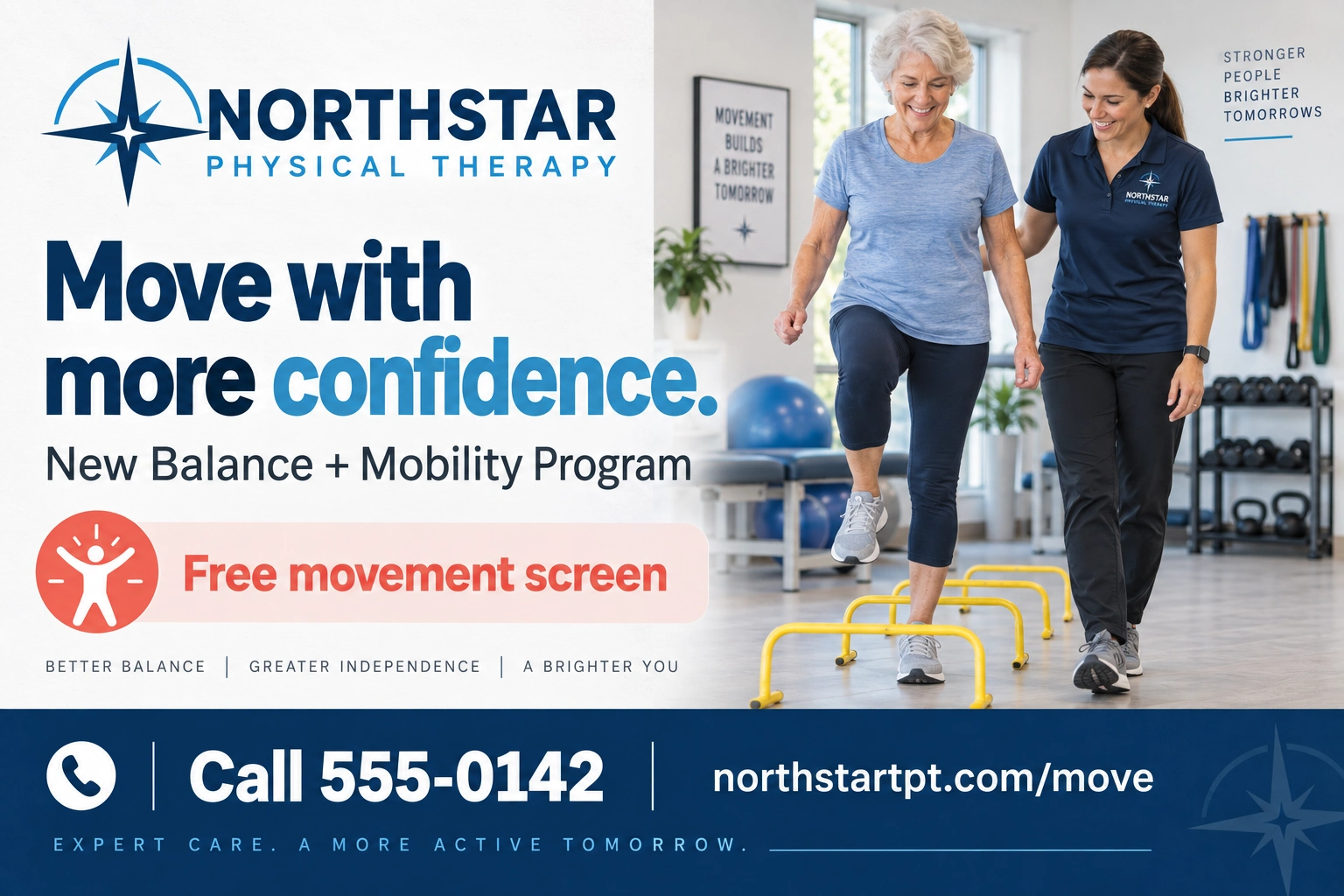
A physical therapy postcard promotes seasonal services, new balance or running programs, post-surgical tracks, cash-based services, workshops and patient reactivation. It goes to local households and to past patients, and MBI selects the addresses, designs the card, prints and mails it, so one team answers for the list and the drop date instead of three vendors.
The documented postcards. Physical-therapy postcards promote seasonal services, new balance or running programs, post-surgical tracks, cash-based services, workshops, and patient reactivation, and the campaign concept behind them is a seasonal, new-program or cash-based-service postcard campaign for local households and past patients.
USPS Domestic Mail Manual 602.5 provides that each address, except for mail bearing an alternative address format, in a mailing at commercial First-Class Mail presorted or automation prices or USPS Marketing Mail prices is subject to the Move Update standard, and that each address and associated addressee used on the mailpieces in a mailing must be updated within 95 days before the mailing date with one of the USPS-approved methods, which include Address Change Service (ACS) and the National Change of Address Linkage System (NCOALink).
USPS Domestic Mail Manual 602.5
45 CFR 164.508(a)(3) provides that a covered entity must obtain an authorization for any use or disclosure of protected health information for marketing, except if the communication is in the form of a face-to-face communication made by a covered entity to an individual, or a promotional gift of nominal value provided by the covered entity; and that if the marketing involves financial remuneration to the covered entity from a third party, the authorization must state that such remuneration is involved.
45 CFR 164.508(a)(3), the HIPAA privacy rule
direct mail marketing services direct mail mailing lists postcard mailing services direct mail cost
Postcard · Direct Mail
What it promotes
Workshops
What does physical therapy workshop marketing invite people to?
The short answer
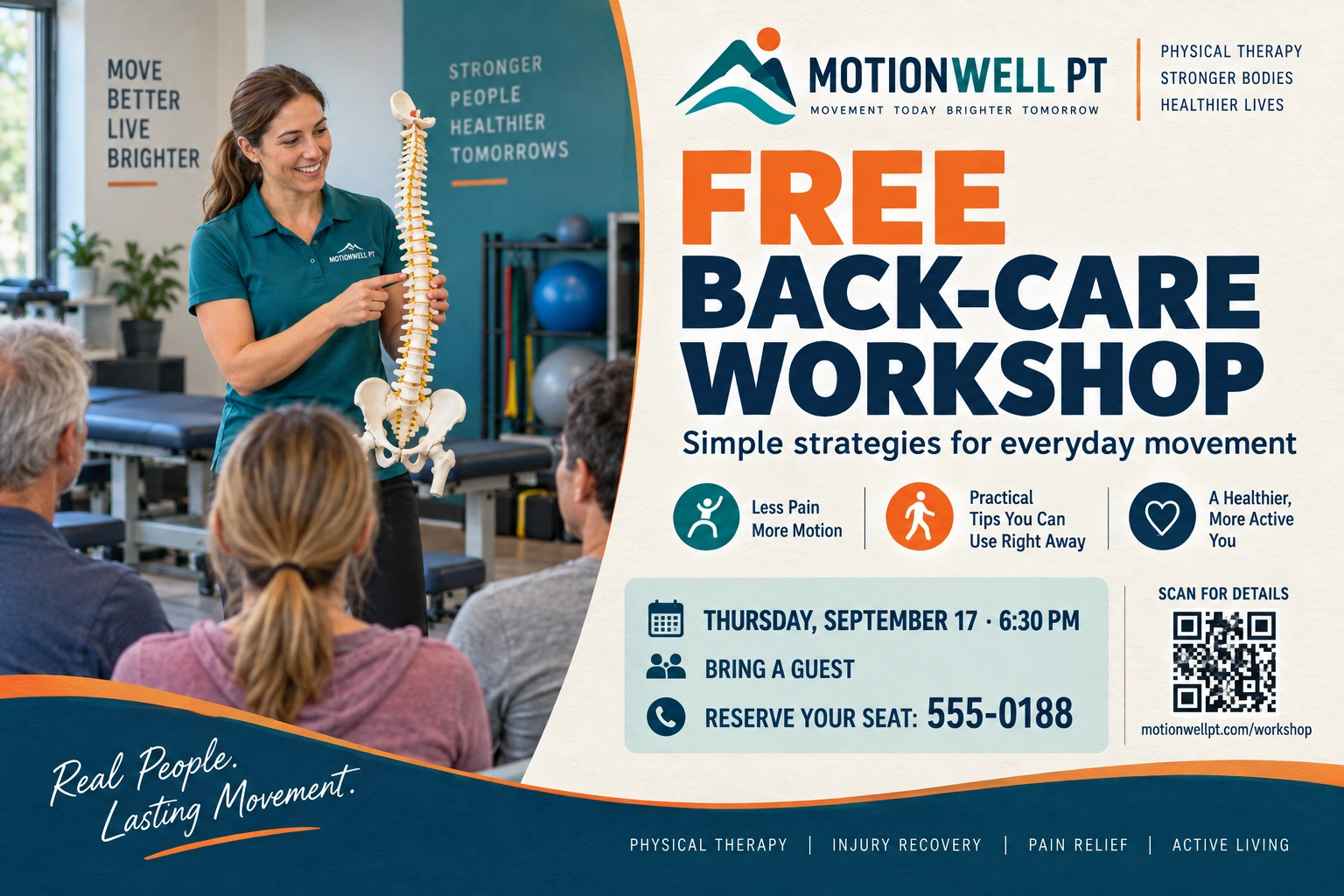
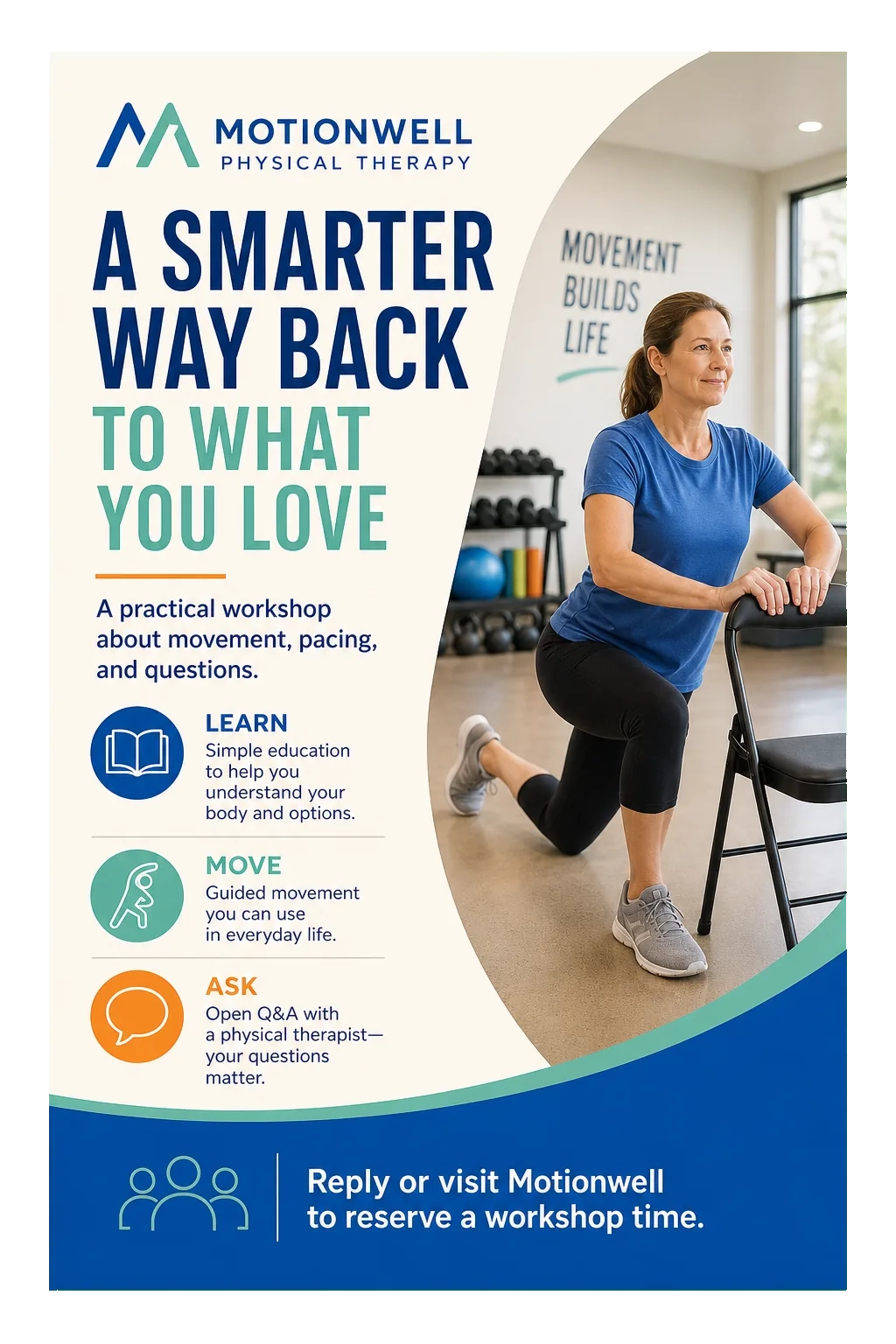
To a free educational workshop, a virtual event or a bring-a-guest workshop built around a topic of interest to prospective patients. Free in-person or virtual workshops are high-trust outreach and lead-generation tools. MBI mails the workshop postcard, carries the same invitation onto Facebook, and confirms each registration by consented text.
The three campaigns. The three researched campaigns are: a seasonal, new-program, or cash-based-service postcard campaign for local households and past patients; a free educational workshop, virtual event, or bring-a-guest workshop campaign focused on a topic of interest to prospective patients; and a Facebook local-awareness or low-friction workshop/evaluation inquiry campaign with conservative, policy-reviewed copy.
Why a workshop. PT sources explicitly describe free in-person or virtual workshops as high-trust outreach and lead-generation tools, including bring-a-guest invitations.
USPS Domestic Mail Manual 201.1.2.1 sets card-price physical standards at not less than 3-1/2 inches high, 5 inches long and 0.007 inch thick, and not more than 6 inches high, 9 inches long or 0.016 inch thick for each postcard, with not more than 4-1/4 inches high, 6 inches long or 0.016 inch thick for each stamped card or each half of a double postcard, and a card more than 4-1/4 inches high or 6 inches long required to be at least 0.009 inch thick; 201.3.7 requires an aspect ratio (length divided by height) of 1.3 to 2.5 inclusive.
USPS Domestic Mail Manual 201
seminar marketing services seminar direct mail seminar email and sms reminders
Postcard · Direct Mail
Postcard · Direct Mail
One invitation
Facebook and Instagram
What may physical therapy clinic advertising say on Facebook and Instagram?
The short answer
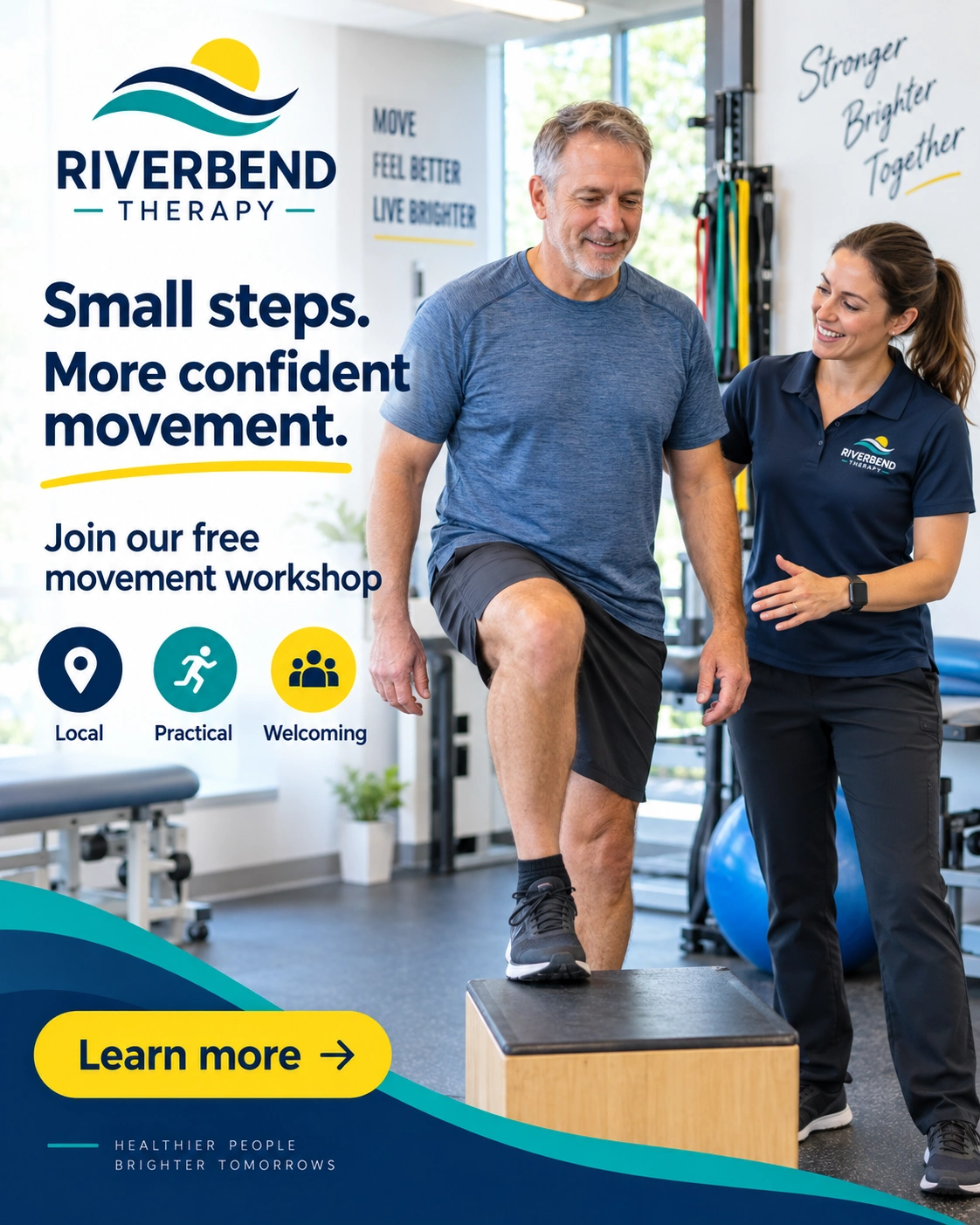
Conservative, policy-reviewed language, aimed at local awareness and at workshop or evaluation inquiries, that does not imply a viewer has a medical condition. Meta's advertising standards say ads must not contain content that asserts or implies personal attributes, including physical or mental health. MBI writes to that limit before anything is designed.
The documented campaign. Physical-therapy resources support Facebook advertising for local awareness and workshop or evaluation inquiries; the language used is conservative and policy-reviewed and does not imply that a viewer has a medical condition.
Meta's Advertising Standards state that advertisers are responsible for understanding and complying with all applicable laws and regulations; that ads must not promote products, services, schemes or offers using identified deceptive or misleading practices; and that ads must not contain content that asserts or implies personal attributes, including direct or indirect assertions or implications about a person's physical or mental health (including medical conditions).
Meta Advertising Standards
The limits. This vertical's own execution limits: avoid outcome guarantees and individual health targeting; use clinical and legal review for educational content; protect PHI, document consent, and distinguish informational content from individualized clinical advice.
The campaigns the research names. The campaigns §9 names are: use return-to-activity and mobility education to generate evaluation requests without promising outcomes; build physician, orthopedic, employer, and sports-community referral outreach; run fall-prevention, recovery-planning, and workshop campaigns for relevant community audiences; and retarget visitors with clinic access, therapist expertise, and what-to-expect content.
digital advertising services direct mail and digital marketing
Meta ad · Facebook
Reel · Instagram
Guide · Printing
Explainer · Printing
Patient reactivation
How does physical therapy patient reactivation reach past patients again?
The short answer
With the same postcard programme. Patient reactivation is one of the things a physical therapy postcard promotes, alongside seasonal services, new balance or running programs, post-surgical tracks, cash-based services and workshops, and the drop goes to past patients as well as to local households. MBI prints and mails it.
One team. MBI is one company that plans, produces, and delivers direct mail, print, digital campaigns and seminar marketing from a single team in DeLand, Florida, and data, print, and delivery have been in-house since 1989.
direct mail mailing lists direct mail marketing services healthcare marketing agency
The same drop
Referral marketing
What does physical therapy referral marketing put in front of referring physicians?
The short answer
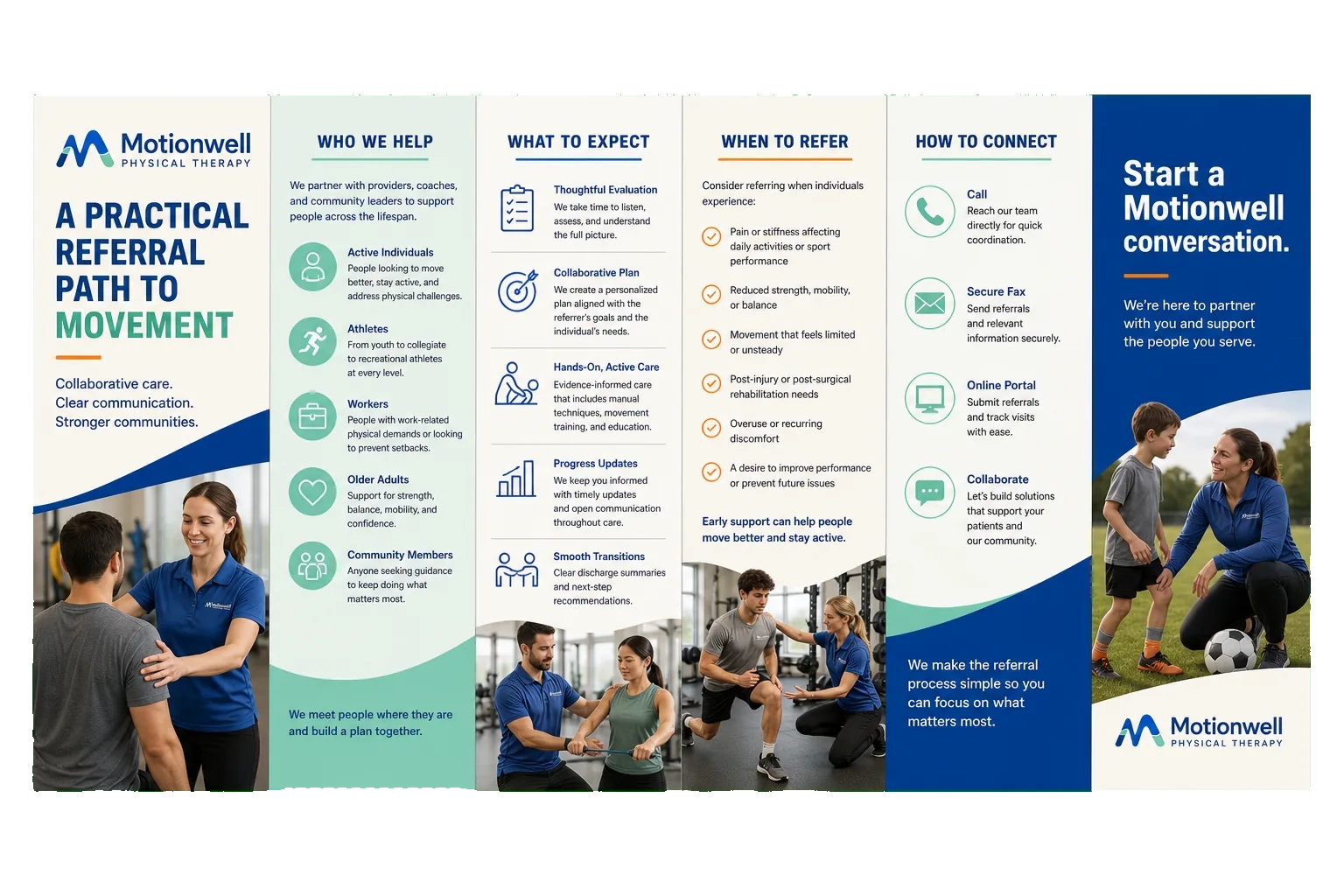
Printed pieces. Referral outreach here is built for physicians, orthopedic practices, employers and sports communities, and the formats behind it are brochures and flyers alongside the postcards. Commercial and variable-data printing is produced in house at MBI, so the piece a partner office keeps and the mail come from one team, in-house since 1989.
Built for. The buyers this vertical's research names are multi-clinic physical-therapy groups with provider referral pathways, self-pay capacity, appointment availability, and community-program capabilities.
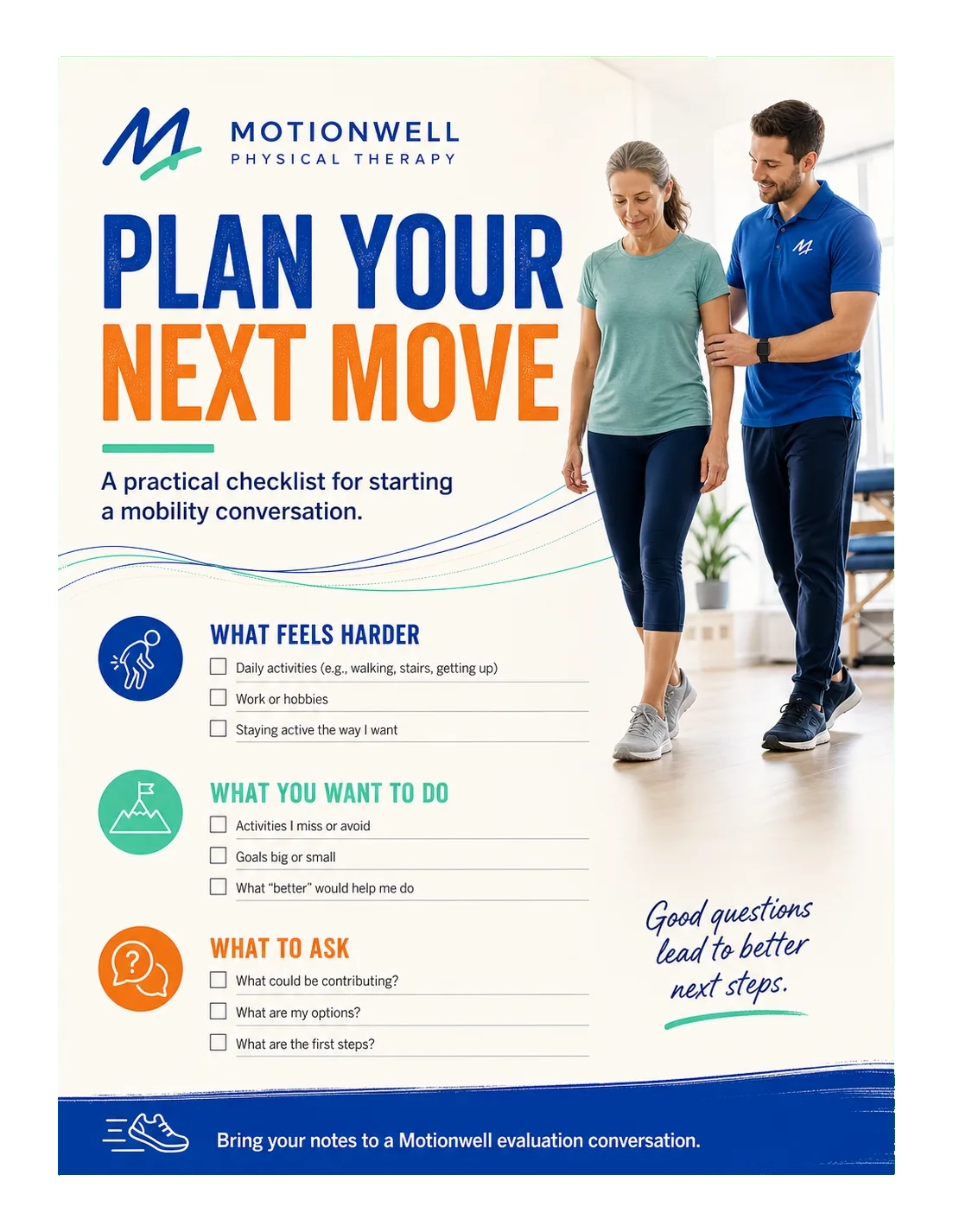
The formats. The print formats researched for this vertical are postcards, workshop postcards, brochures, flyers, and new-mover postcards.
In house. Printing at MBI is commercial and variable-data printing produced in house.
Brochure · Printing
Checklist · Printing
SMS
What does a physical therapy clinic send by text once someone opts in?
The short answer
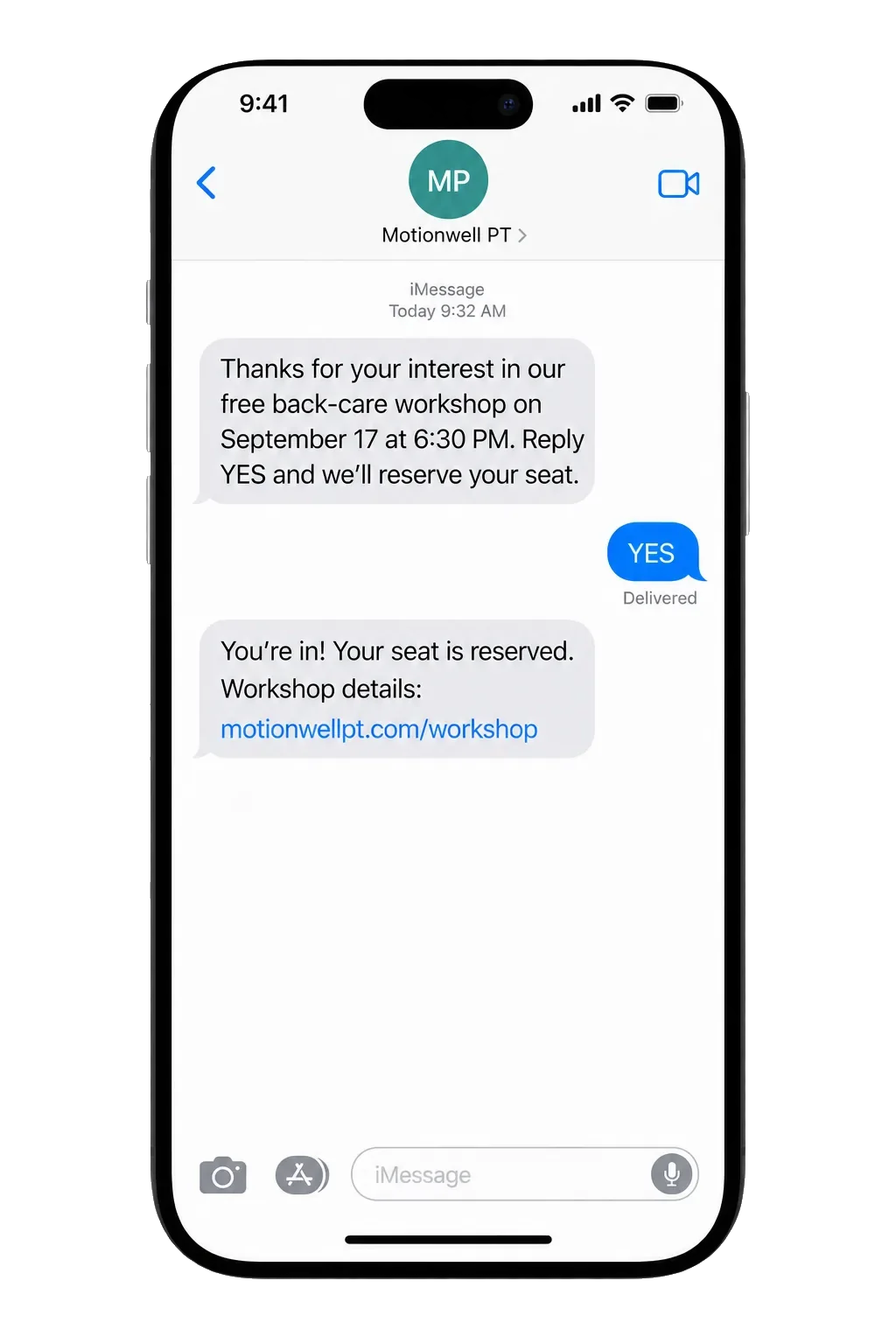
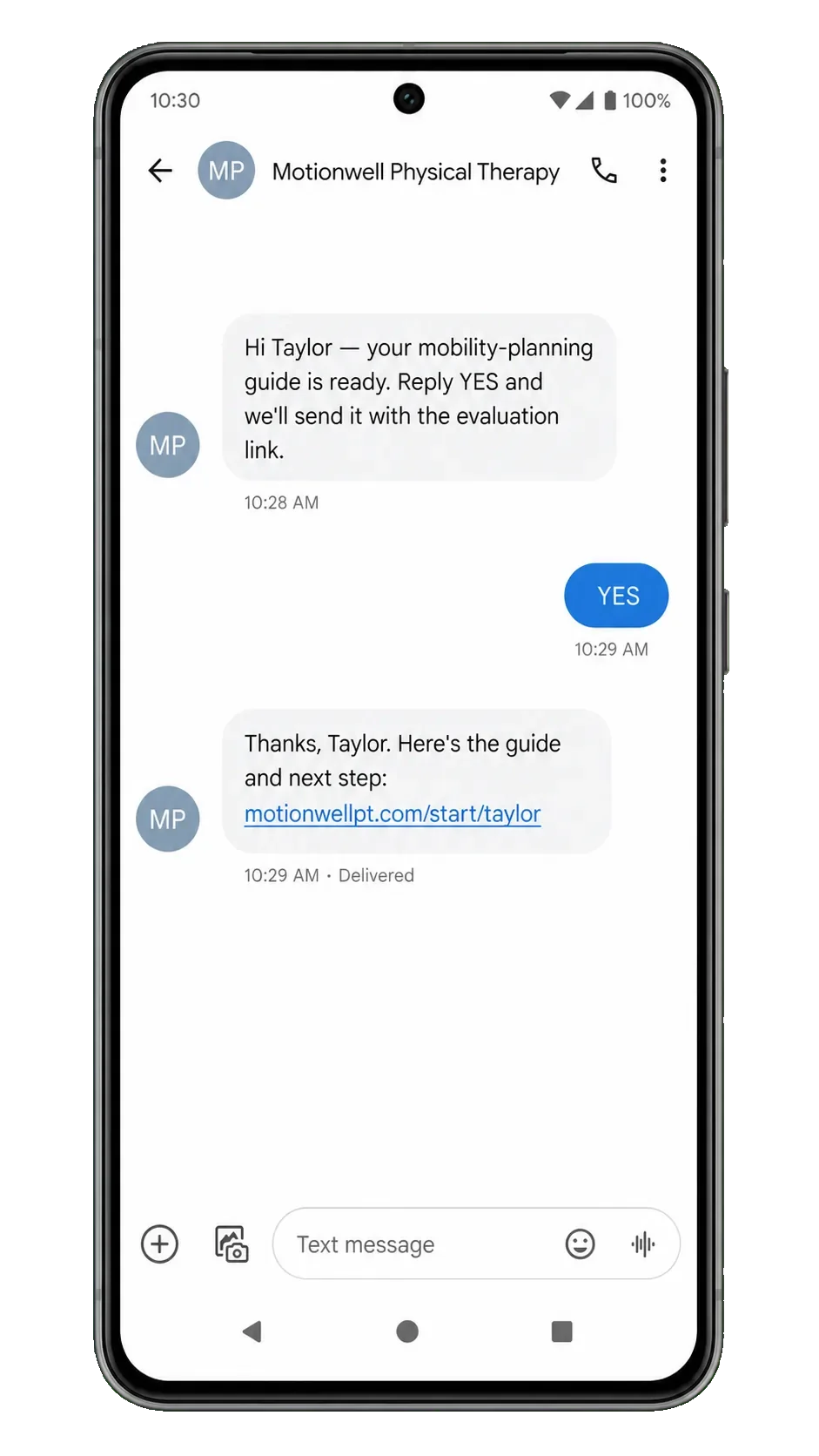
Follow-up to a web inquiry, confirmation of a workshop or seminar registration, reminders, and lead nurture carrying education and offers. Texting here is consent-based and two-way. CTIA's messaging principles say messages should be sent only after the consumer has opted in, and that message senders should create and vet their own opt-in lists.
The documented texts. Consent-based two-way texting is used to follow up web inquiries, confirm workshop or seminar registrations, send reminders, and nurture leads with education and offers.
CTIA's Messaging Principles and Best Practices state that message senders should support opt-in mechanisms and that messages should be sent only after the consumer has opted in to receive them, and list entering a telephone number through a website, clicking a button on a mobile webpage, initiating the text message exchange, signing up at a point-of-sale or other on-site location, and opting in over the phone using interactive voice response among the mechanisms by which a consumer might demonstrate opt-in consent; senders should also document opt-in consent by retaining data including the timestamp of consent acquisition and the consent acquisition medium.
CTIA Messaging Principles and Best Practices, May 2023, §5.1.2
seminar email and sms reminders direct mail and digital marketing
SMS
SMS
Questions
Questions a physical therapy clinic asks before it mails
Searched for physical therapy marketing ideas, marketing for physical therapy clinics or physical therapy clinic marketing? Same work, same answers.
Where does a physical therapy clinic start with MBI?
With three campaigns. A seasonal, new-program or cash-based-service postcard campaign for local households and past patients; a free educational workshop, virtual event or bring-a-guest workshop campaign on a topic of interest to prospective patients; and a Facebook local-awareness or low-friction workshop or evaluation inquiry campaign with conservative, policy-reviewed copy.
Does a physical therapy workshop have to be held in person?
No. The campaign covers a free educational workshop, a virtual event or a bring-a-guest workshop, each focused on a topic of interest to prospective patients, and free in-person or virtual workshops are high-trust outreach and lead-generation tools. MBI mails the invitation, carries it onto Facebook and confirms registrations by text.
What language does a physical therapy Facebook ad have to stay inside?
Conservative, policy-reviewed language that does not imply a viewer has a medical condition. The ad works for local awareness and for workshop or evaluation inquiries. Meta's advertising standards say ads must not contain content that asserts or implies personal attributes, including a person's physical or mental health.
What sits behind the price of a physical therapy postcard campaign?
Two costs: producing the piece and mailing it. Seven decisions move those two numbers, among them quantity, format and finished size, paper and weight, data and personalization, and postage, mail class and sortation. All seven are walked through at /capabilities/direct-mail/direct-mail-cost.
Does a physical therapy clinic need written permission before a patient's information reaches a campaign?
45 CFR 164.508(a)(3) requires a covered entity to obtain an authorization for any use or disclosure of protected health information for marketing, except a face-to-face communication made by a covered entity to an individual or a promotional gift of nominal value; where marketing involves financial remuneration from a third party, the authorization must say so.
How does someone opt in to texts from a physical therapy clinic?
By giving the clinic permission first. CTIA's messaging principles say messages should be sent only after the consumer has opted in, and list entering a telephone number through a website, clicking a button on a mobile webpage and signing up at an on-site location among the mechanisms; rented, sold or shared lists should not be used.
Who reviews the educational content in a physical therapy campaign?
Clinical and legal review is used for educational content before it runs. Outcome promises and individual health targeting are avoided, protected health information is protected, consent is recorded, and informational content is kept distinct from individualized clinical advice. That review sits inside the schedule for the postcard, the workshop invitation and the Facebook copy, not after it.
Get started
Start a physical therapy campaign.
Say which of the three campaigns it is, and the households and past patients it should reach. It goes to a real member of the MBI team, not a queue.